
The lens before facts framework
Jul 24, 2026
By Jayden Padwalker
Geopolitical disputes are a seemingly inherent factor in any attempted resolution between two or a group of nations. Oftentimes, countries can agree on the facts — statistics, a crisis, and how to analyze a solution the same way — but still land on opposite opinions about the situation.
The reason: those facts get filtered through a political context that differs from country to country. Understanding those contexts is what opens the door to real cooperation.
Here are six lenses I've found useful for explaining an actor's stance on any issue.

1. The Memory Lens
Explores the historical context that defines a country.

2. The Survival Lens
Explores the domestic context that defines a country.

3. The Narrative Lens
Explores the story a country tells the world.

4. The Silence Lens
Explores the voices and perspectives excluded from a country's position.

5. The Shadow Lens
Explores the hidden tradeoffs a country tries to minimize or deny.

6. The Mirror Lens
Explores how other countries perceive a country's position.
Methodology

Each lens maps to an established International Relations theory. No single theory is enough on its own — a liberal will miss what a Marxist sees, and a realist will miss what a constructivist points out. Mapping the lenses this way means any gap in the six is really a gap in IR theory itself, so the framework — imperfect as it is — is grounded in decades of research on international political behavior.
The framework doesn't explain everything, but it beats a single-theory approach because it reads each lens contextually against the others — not applied equally, but weighted to find which lens dominates a given position, and where opposing lenses can be reconciled.
Case Study
The United States and China on carbon emission reduction

The US and China are the world's two largest emitters. Climate scientists broadly agree that both need to cut emissions significantly or global targets — like those under the Paris Agreement — won't be met. Yet despite signed agreements and public pledges, major negotiations keep collapsing. Both sides know the science. So why can't they agree?
1Memory Lens
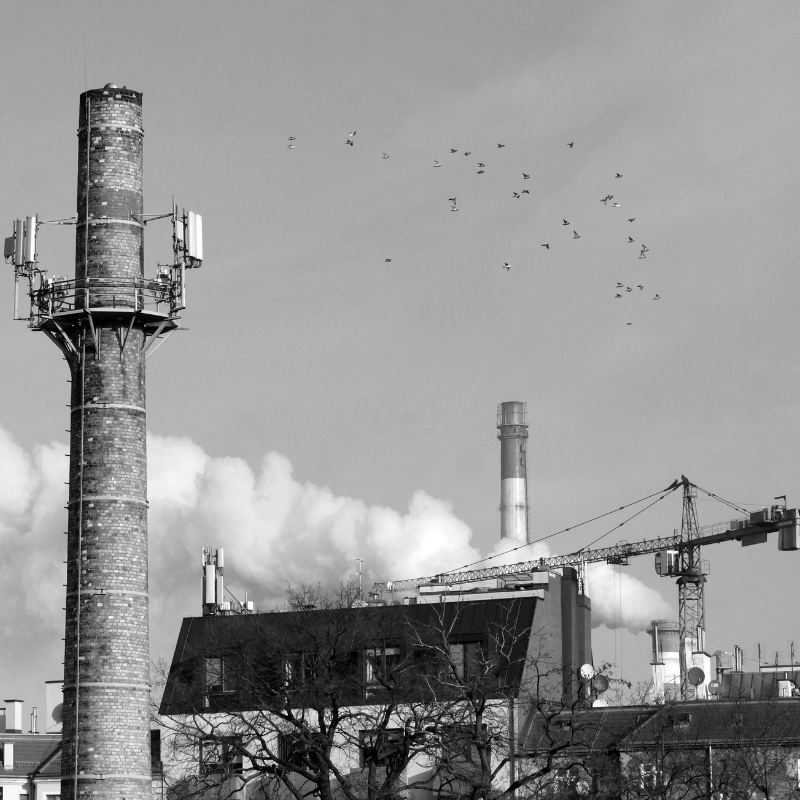
America's identity was built on industrial power fueled by coal and oil, and the 2000s shale revolution wired energy independence into its national pride — alongside a long-standing wariness of binding international agreements like the Kyoto Protocol.
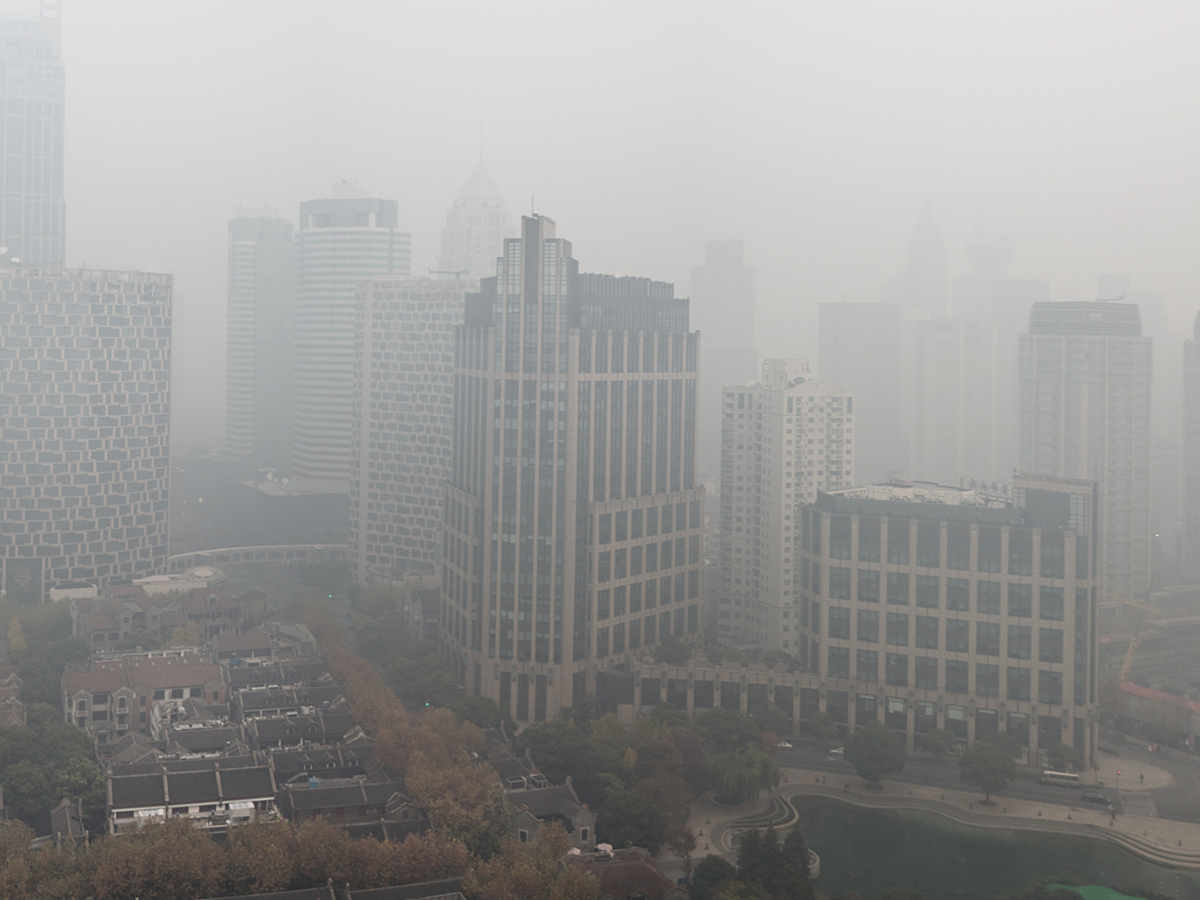
China's modern history was shaped by colonial intrusion — the Opium Wars, Japanese occupation — so its policy instinct is fierce independence from foreign influence. When already-industrialized Western nations tell China to cut emissions, it echoes the same rhetoric used during its colonial era. China's own rapid post-poverty industrialization was itself carbon-fueled.
Both agree emissions must fall, but for different reasons: the US wants shared sacrifice, while China sees the West trying to change the rules after it already won the game.
2The Survival Lens

US political polarization has turned climate policy partisan — any president negotiating internationally has to watch their back domestically, especially with fossil fuel jobs and state economies on the line. Emission limits that aren't matched by China also risk a real competitive disadvantage for American industry.
China, meanwhile, needs sustained growth to preserve its domestic legitimacy. Coal alone employs millions, especially in interior provinces — an abrupt transition risks unemployment and, in turn, the government's standing with its people.
Both governments are negotiating with one hand tied — constraints neither side will openly admit to the other.
3The Narrative Lens
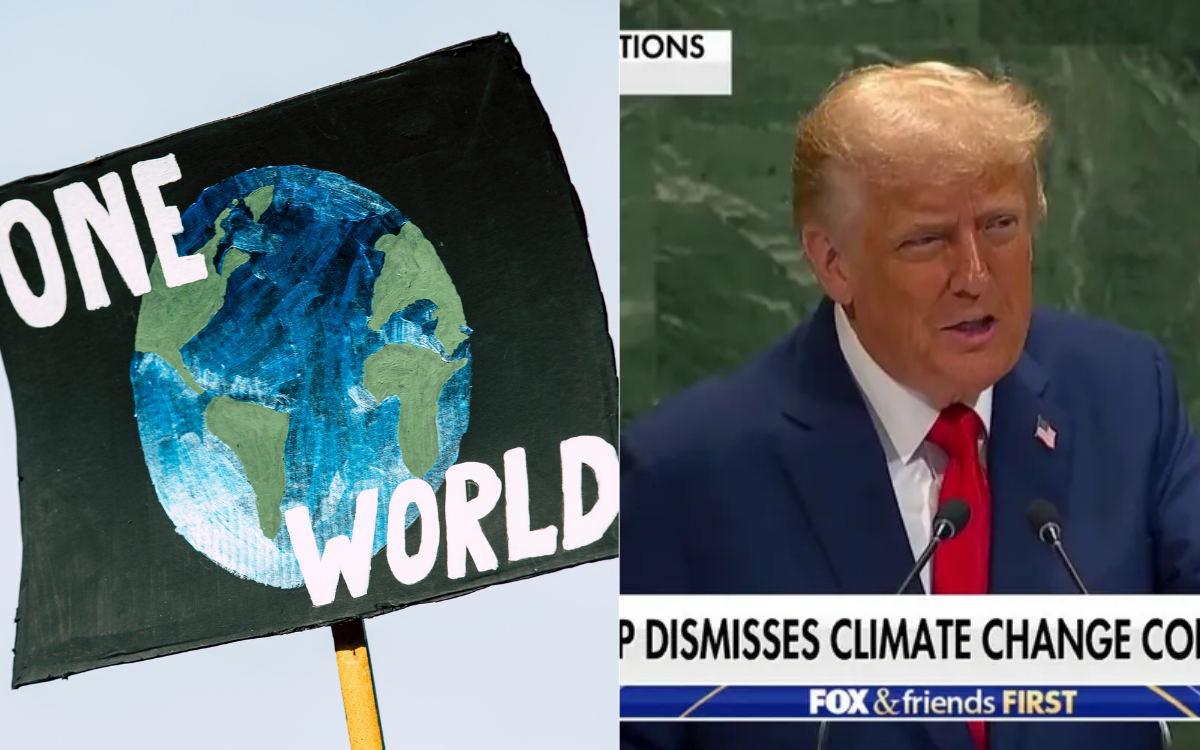
The US flips between two contradictory stories depending on who's in office: Democrats frame climate leadership as a growth engine; Republicans frame climate agreements as a competitive handicap that protects sovereignty. Every election cycle, China has to brace for a possible 180.
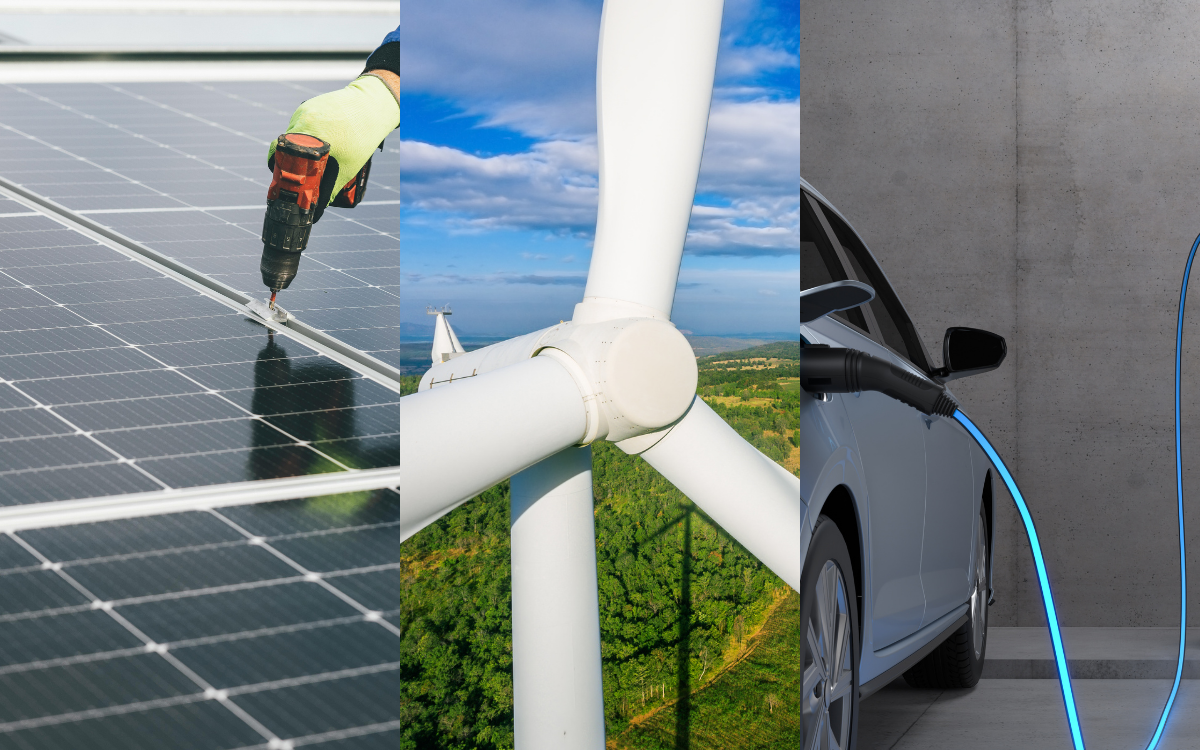
China's official narrative rests on being a "developing nation" with low historical and per-capita emissions — backed by the UN Framework Convention on Climate Change — while also branding itself the world's top producer of solar, wind, EVs, and batteries.
Both narratives contain truth but look at different metrics — China: per-capita and historical; the US: current total output — so both sides deflect blame while ignoring shared environmental damage.
4The Silence Lens

The US position is shaped by elite and political interests — rarely by the low-income communities of color and Indigenous groups who carry the worst health impacts from fossil fuel pollution, or whose land holds the reserves being extracted. Globally, Global South island nations like Kiribati bear outsized consequences from emissions they didn't cause.
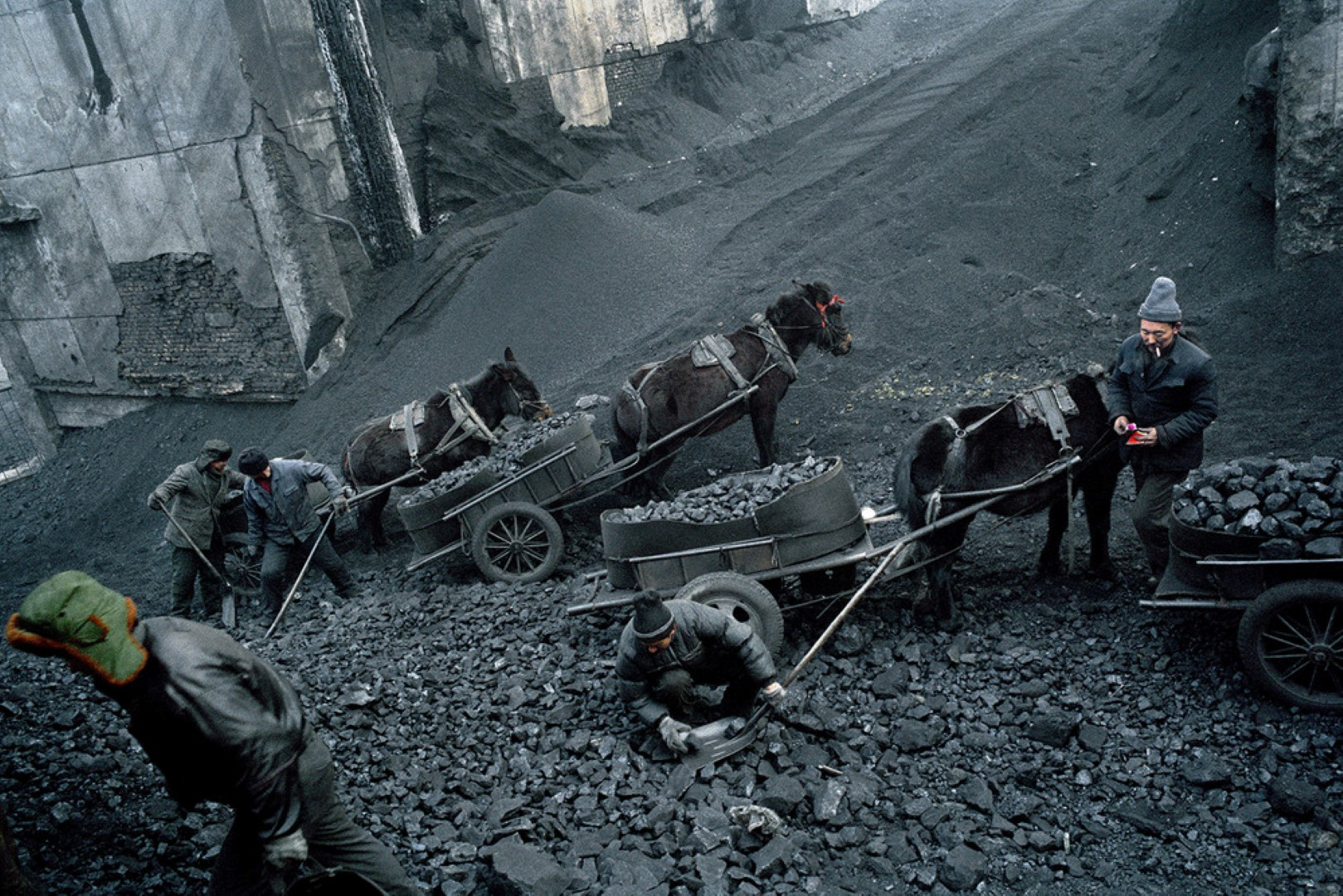
In China, citizens in heavily polluted industrial cities absorb direct health costs that get buried under a growth-first narrative. Nations whose coal industries were financed through the Belt and Road Initiative, and the tens of millions displaced by hydroelectric projects tied to China's green transition, are left out of the story entirely.
The people most harmed by emissions are consistently the ones missing from the negotiating table — on both sides.
5The Shadow Lens

US political instability quietly undermines its credibility — every country knows an American commitment can expire with the next election. The domestic clean energy transition is also concentrated in regions that already have infrastructure, glossing over the mismatch in skills and location for displaced fossil fuel workers.
China's biggest unspoken cost is its own coal expansion — 2023 saw more new coal plant approvals than any prior year — plus the coal infrastructure it finances abroad through the BRI, which doesn't show up in its domestic emissions statistics but still drives real climate impact.
Neither side can admit its own contradictions without weakening its negotiating position — so both keep negotiating from behind a mask.
6The Mirror Lens
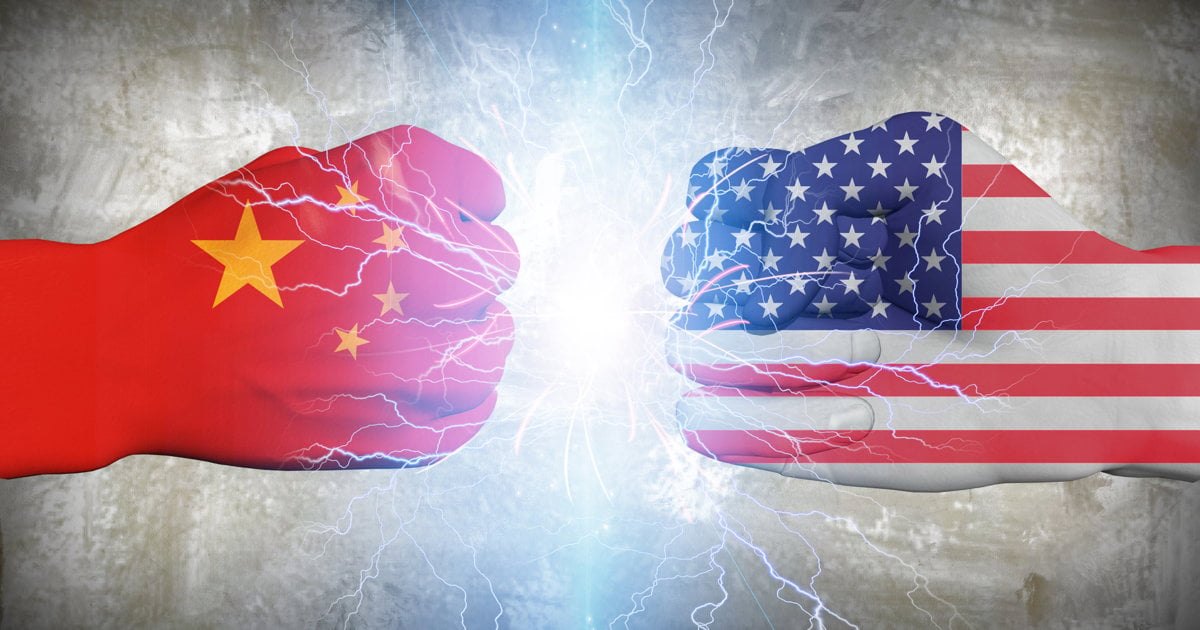
China reads US pressure as an attempt to lock in industrial superiority under the guise of environmentalism — and sees America's own policy flip-flopping as proof that binding commitments aren't worth much anyway.
The US, in turn, sees China's "developing nation" framing as a workaround for being the world's largest emitter, and worries about China financing fossil fuels abroad while claiming green leadership at home.
To the silenced and the scientific community watching from outside, the whole negotiation looks like the two biggest emitters relitigating blame while ignoring the people paying the actual price.
What does this reveal?
The dominant US perspective is Survival — political polarization and a fossil-fuel-dependent identity box in what any American negotiator can realistically offer.
The dominant Chinese perspective is Memory — Beijing reads American climate pressure through the lens of colonial-era interference, a weight the US side often doesn't register at all.
What both sides consistently miss is the Silence perspective — the people most affected and least responsible. A policy built around their voices would look nothing like what either government currently proposes.
Applying this framework shifts the mindset from a blame game to genuine understanding of why the deadlock exists. From there, you can reframe arguments to be persuasive under someone else's perspective, bring in the silenced voices, and stop repeating agreed-upon statistics in favor of naming the structural barriers actually slowing progress down.
IEA — CO2 Emissions in 2023
USAFacts — US Greenhouse Gas Sources
NPR — China-Taiwan-Pelosi Climate
AEI — The Quiet Death of the Kyoto Protocol
Strauss Center — The US Shale Revolution
Brookings — Just Transition for Fossil Fuel Workers
Asia Society — Climate Action Brief: China
ScienceDirect — S1674927822000880
Climate Action Tracker — China
NEJM — NEJMsb2213250
Earth.org — Sea Level Rise by 2100: Kiribati
Global Energy Monitor — China Off Track on Climate Commitments
WRI — Greening China's Belt and Road Initiative
Nature — s41467-023-41133-9
WHO — China Air Pollution
OHCHR — Joint Statement on Dam-Affected Communities